
What Is Your Character’s “White hot center?”
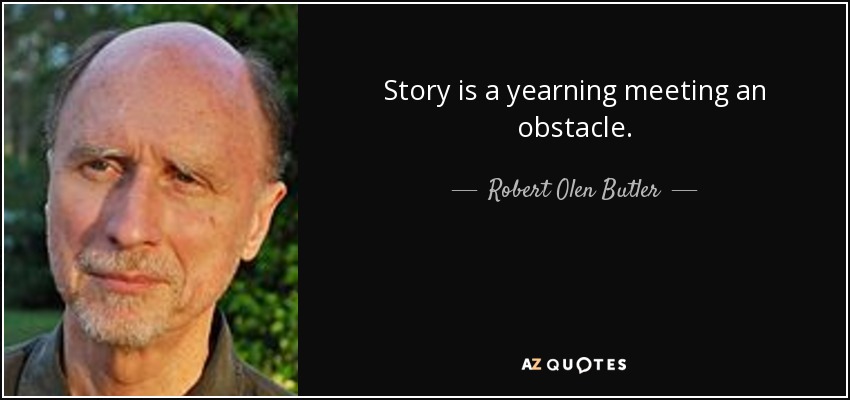
Robert Olen Butler.
In this post, I will demonstrate through five examples how stories can demonstrate techniques for developing great characters in a story and how they portray their desires in those stories.
You should know: Five techniques for developing characters in a story consist of giving a character a goal, answering if the story gives the character a story to tell and why the readers need to know about it, answers who is going to help the character, who is in the way of the character and what the character will learn once they achieve their goal.
1) Gives Characters A Goal.
2) What Story Does The Character Have to Tell and Why Do Readers Need to Hear it?
3) Who Is Going To Help The Character Achieve Their Goal?
4) Who Are In The Way of The Character’s Goal?
5) What Will The Character Learn Once They Achieve Their Goal?
Five characteristics that give a portrait of desire for developing characters include: answering what does the character want, how will the character achieve what they want, does the character’s desire conflict with another character’s desire, does the character’s desire coincide with their goal, and once their goal is achieved will their desire be satisfied.
1) What Does The Character Want?
2) How Will The Character Achieve What They Want?
3) Does The Character’s Desire Conflict With Another Character’s Desire?
4) Does The Character’s Desire Coincide With Their Goal?
5) Once Their Goal Is Achieved Will Their Desire Be Satisfied?
Example #1
Hello Out There by William Saroyan
Young Man/Prisoner begins the story and often throughout the story exclaims “Hello Out There!” to express his desire.
The Voice/Young Girl whispers “Hello Out There!” at the end of the story to express her desire.
“Hello Out There!” is a literary device used by William Saroyan to express a large amount of information the person desires using few words.
1)Gives Characters A Goal.
The Young Man wants to get out of prison and the young girl wants to run away with the prisoner once he sweet talks her.
2)What Story Does The Character Have to Tell and Why Do Readers Need to Hear it?
Hello Out There is a play that dramatizes the quickness in which a naïve young person could be easily persuaded and regardless of the prisoners innocence, being locked up in prison and/or being isolated to the real world, as the young girl was can lead to an overwhelming sadness, despair, and loneliness that will lead to desires that may not be healthy.
3)Who Is Going To Help The Character Achieve Their Goal?
The young girl was attempting to help the prisoner and vice versa.
4)Who Are In The Way of The Character’s Goal?
The men who locked up the prisoner, the father of the girl, and the husband of the wife that accused the prisoner of rape.
5)What Will The Character Learn Once They Achieve Their Goal?
That honesty isn’t always enough to get people on your side.
Also….
1)What Does The Character Want?
Freedom and to stop the loneliness.
2) How Will The Character Achieve What They Want?
Running away with the young girl.
3) Does The Character’s Desire Conflict With Another Character’s Desire?
The husband of the wife accusing the prisoner wants the character dead. He kills him.
4) Does The Character’s Desire Coincide With Their Goal?
He wants to escape, so it certainly does.
5) Once Their Goal Is Achieved Will Their Desire Be Satisfied?
The main character’s desire was overstepped and replaced by the husband’s desires. So he didn’t receive satisfaction, but the husband did. The young girl now has a fist full of money and a new desire to run away.
Example #2
Tandolfo the Great by Richard Bausch
Tandolfo’s desire is squashed before it even had a chance to drive the story.
Attempting to utilize going through everyday motions of completing a job task to avoid thinking of his squashed desire, Tandolfo goes through several character development markers.
Symbolically Tandolfo takes his misplaced desire, represented as a wedding cake, to a children’s party to perform. This reinforces his opinion of himself as “a little unbalanced.”
1)Gives Characters A Goal.
To propose marriage to a coworker.
2)What Story Does The Character Have to Tell and Why Do Readers Need to Hear it?
A tragic hero who is on a quest for love, but most of it is an illusion in his head, the sad tears of a clown. A popular theme played out well in this story.
3)Who Is Going To Help The Character Achieve Their Goal?
Tandolfo believes he can help himself but ultimately ends up just watching the world pass him by.
4)Who Are In The Way of The Character’s Goal?
He believes it is the adults who are in the way of Tandolfo the Great performing his act, but his inability to improvise is really what is in the way, so ultimately he is in his own way.
5)What Will The Character Learn Once They Achieve Their Goal?
Also….. He never achieves his initial desire, but instead through character development repurposes his desire.
1)What Does The Character Want?
Love
2)How Will The Character Achieve What They Want?
He won’t since it is based upon illusions, but he believes he will.
3) Does The Character’s Desire Conflict With Another Character’s Desire?
His coworker was never in love with him, so his desire is not met with equal interest or desire.
4) Does The Character’s Desire Coincide With Their Goal?
Once Tandolfo is thrown out of the children’s party he just wants his rabbit back. That is the only time he gets what he wants, but his goal at the beginning of the store was to achieve romance, love, acceptance, whimsy. They do not coincide.
5)Once Their Goal Is Achieved Will Their Desire Be Satisfied?
Since his coworker ran off to marry a man she was already having a shaky start of a relationship with, it is entirely possible that even if she had still been single and Tandolfo proposed marriage, that their relationship wouldn’t have worked out. He wouldn’t have been satisfied, but only temporarily. When his desire is repurposed through character development, he is satisfied with just sitting there watching the world go by. He finds peace and satisfaction in that.
Example #3
Warming Her Pearls by Carol Ann Duffy
The servant girl desires to warm the mistresses pearls, “All day I think of her,” she states.
The narrator never calls herself a servant but describes performing a service for a mistress, a title reserved for lovers and female employers of upper-class status.
The servant describes having the pearls “Slack on my neck, her rope,” which as a servant might be a negative thought, but for her, it is divine because she gets to warm the pearls for her mistress.
The servant desires the pearls because she dreams about them on her beautiful mistress, her desire bleeds from pearls to mistress and back again.
1)Gives Characters A Goal.
To warm the mistresses pearls.
2)What Story Does The Character Have to Tell and Why Do Readers Need to Hear it?
The story of how the mistress has a servant warm her pearls for her to keep them from being cold when she puts them on, the servant doesn’t look at it as a chore, but an honor instead.
3)Who Is Going To Help The Character Achieve Their Goal?
The Mistress.
4)Who Are In The Way of The Character’s Goal?
The Mistress. If she chooses to give up wearing pearls, the chore would be eliminated.
5)What Will The Character Learn Once They Achieve Their Goal?
Also… The servant gets to live bi-proxy through the pearls the life of her mistress. As the mistress dances in her fancy clothes and pearls, the servant imagines the men dancing with the mistress and faintly smelling the servant on her necklace.
1)What Does The Character Want?
To be beautiful and wearing pearl necklaces like the mistress.
2)How Will The Character Achieve What They Want?
By being a faithful servant who does everything the mistress wants.
3) Does The Character’s Desire Conflict With Another Character’s Desire?
The servant wants to warm the pearls to feel what it is like to be the mistress and the mistress only wants to avoid the cold shock of putting on the necklace.
4) Does The Character’s Desire Coincide With Their Goal?
The servant desires to wear the necklace, but the purpose is to feel like the mistress.
5)Once Their Goal Is Achieved Will Their Desire Be Satisfied?
The servant won’t achieve becoming a mistress, but her desire is satisfied every time she warms the pearls for her mistress.
Example #4
My Last Duchess by Robert Browning
On the surface, this poem sets up to demonstrate the Duke’s desire to marry his daughter to a rich family.
Underneath the surface, Browning peels back the layers of the Duke’s desires once he comes upon the painting of the Duke’s deceased Duchess.
The Duke’s Character Development quickly goes from royalty matchmaking to a history of murder as he describes his Duchess.
The Duke rationalizes his character development by describing the Duchess as “Too easily impressed; she liked whate’er.”
1)Gives Characters A Goal.
To marry his daughter to a rich family.
2)What Story Does The Character Have to Tell and Why Do Readers Need to Hear it?
Sometimes a character will reveal to the readers a back story while telling their desired story.
3)Who Is Going To Help The Character Achieve Their Goal?
The emissary is there to help the Duke marry off his daughter.
4)Who Are In The Way of The Character’s Goal?
Only the Duke.
5)What Will The Character Learn Once They Achieve Their Goal?
Also… Rich family married and connected to his family through the marriage of his daughter.
1)What Does The Character Want?
To keep his daughter connected to a rich bloodline.
2)How Will The Character Achieve What They Want?
Marriage contracts.
3) Does The Character’s Desire Conflict With Another Character’s Desire?
The Duke conflicts with his own desire by revealing the truth behind what happened to the last Duchess.
4) Does The Character’s Desire Coincide With Their Goal?
They do not coincide since he desires to marry off his daughter, but his anger towards his history with the last Duchess comes through.
5)Once Their Goal Is Achieved Will Their Desire Be Satisfied?
If he were able to marry his daughter through the emissary, he would be satisfied with his goal, but deep down his true satisfaction came before the story began when he killed the last Duchess.
Example #5
Barn Burning by William Faulkner
The story begins with a child’s desire for meat and cheese.
The boy’s father stands trial for burning a barn and desires to keep the boy in line, who he believes was going to betray him in court.
Throughout the story, the boy (Sarty) is growing as a character due to his desire to be good and stand by his father, who is not a good person.
Sarty sits on a hill at the end of the story “not knowing it was midnight and he did not know how far he had come,” both in the story and as a character.
1)Gives Characters A Goal.
Sarty is to get his father out of legal trouble.
2)What Story Does The Character Have to Tell and Why Do Readers Need to Hear it?
Why is it a struggle for Sarty to focus on the chore at hand of giving his testimony to free his father?
3)Who Is Going To Help The Character Achieve Their Goal?
Sarty is to help his father.
4)Who Are In The Way of The Character’s Goal?
His father who is not a good person, as he did burn down the barn and by taking the stand he would be lying for his father. The kids teasing him are in the way of him just accepting being thrown out of town with his father.
5)What Will The Character Learn Once They Achieve Their Goal?
Also… Lying gets you nowhere and abused.
1)What Does The Character Want?
To get away from his father and to tell the truth.
2)How Will The Character Achieve What They Want?
Running away after telling the truth.
3) Does The Character’s Desire Conflict With Another Character’s Desire?
The father desires to get away with anything and everything he does regardless of the laws, ethics, and integrity.
4) Does The Character’s Desire Coincide With Their Goal?
Sarty is purposed to do right by his father, but also by the law, which is a conflict for him, creating a schism for his desire.
5)Once Their Goal Is Achieved Will Their Desire Be Satisfied?
Once he perceives his father to be dead and walks to the woods, he keeps on walking and never looks back, finding satisfaction in achieving the goal that brings him honor.
References
Assistive Technology. (2015) Interview with Robert Olen Butler. Retrieved from: https://www.youtube.com/watch?v=NhG-N2cjzLc
Bausch, Richard. “Tandolfo The Great.” ASFA. N.p., 2004. Web. 11 June 2016.
Browning, Robert. “My Last Duchess.” Poets.org. N.p., n.d. Web. 11 June 2016.
Duffy, Carol Ann. “Warming Her Pearls.” Poetry Foundation. N.p., 1987. Web. 11 June 2016.
Faulkner, William. Collected Stories of William Faulkner. New York: Random House, 1934. Barn Burning. Archive.org. Web. 11 June 2016.
Interview with Robert Olen Butler. Perf. Robert Olen Butler and. YouTube. Assistive Technology, 30 July 2015. Web. 11 June 2016.
Mitchell, Todd. “On Desire.” Colorado State University. N.p., 06 Nov. 2013. Web. 11 June 2016.
Sambuchino, Chuck. “9 Ingredients of Character Development.” Writer’s Digest. N.p., 30 Mar. 2013. Web. 11 June 2016.
Saroyan, William. “Hello Out There.” Wikispaces. N.p., 2004. Web. 11 June 2016.
Scott, J. (2013). Creative Writing and Stylistics: Creative and Critical Approaches. New York, NY: Palgrave Macmillian.
 Section 8 Agency
Leave a comment